

Professional
November 18, 2025
Expert Talk on Document Design for BS Computer Science Students
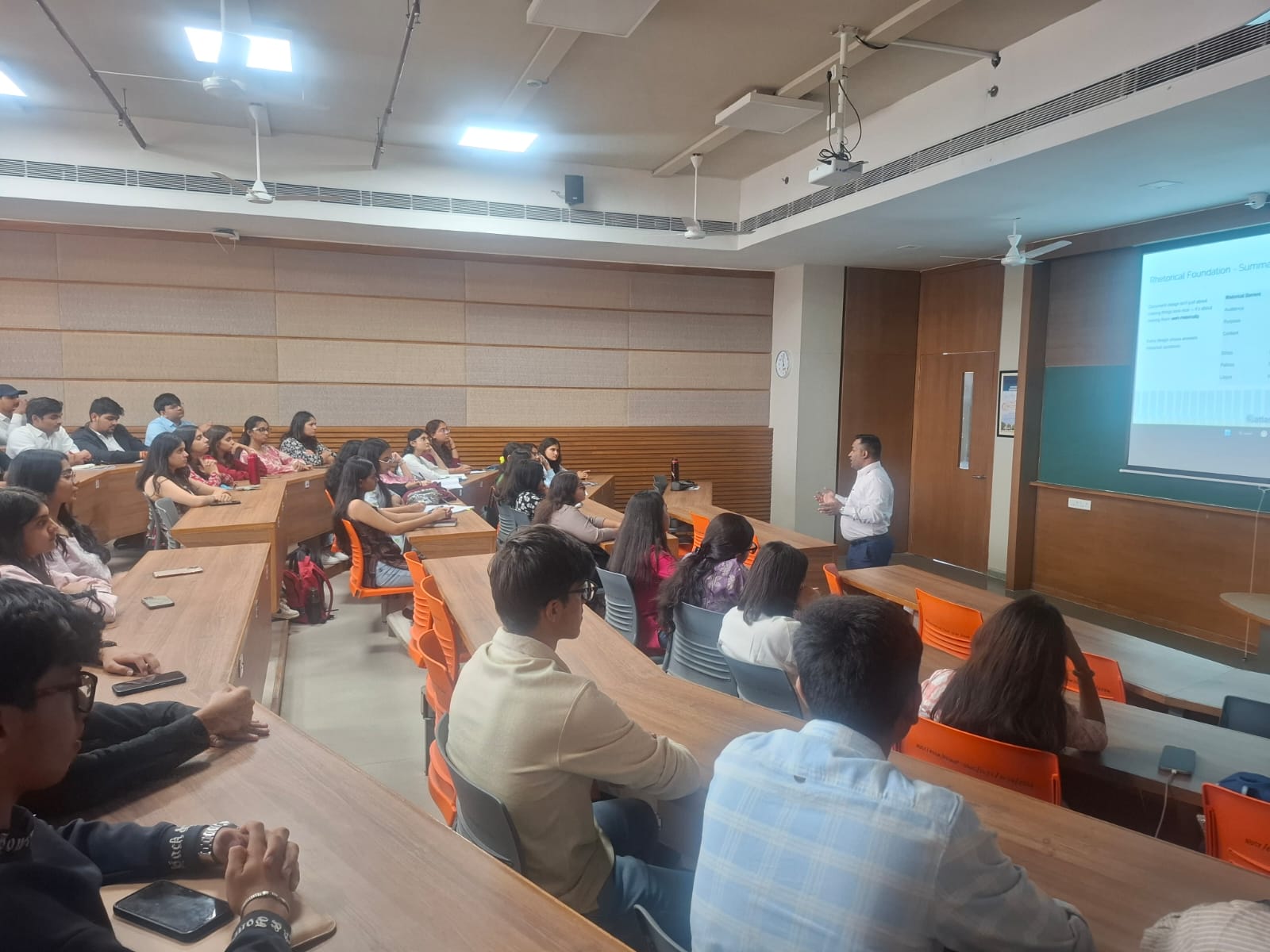
On 18th November 2025, I had the honour of being invited by Prof. Noopur Thakkar to deliver an Expert Talk for the BS (Computer Science & Engineering) first-year students on the topic “Document Design” as part of their course Rhetoric and Composition. The session took place at the Nirma University campus, and it was an enriching interaction with young learners stepping into the world of communication, design, and digital literacy.
Why Document Design Matters in Computer Science
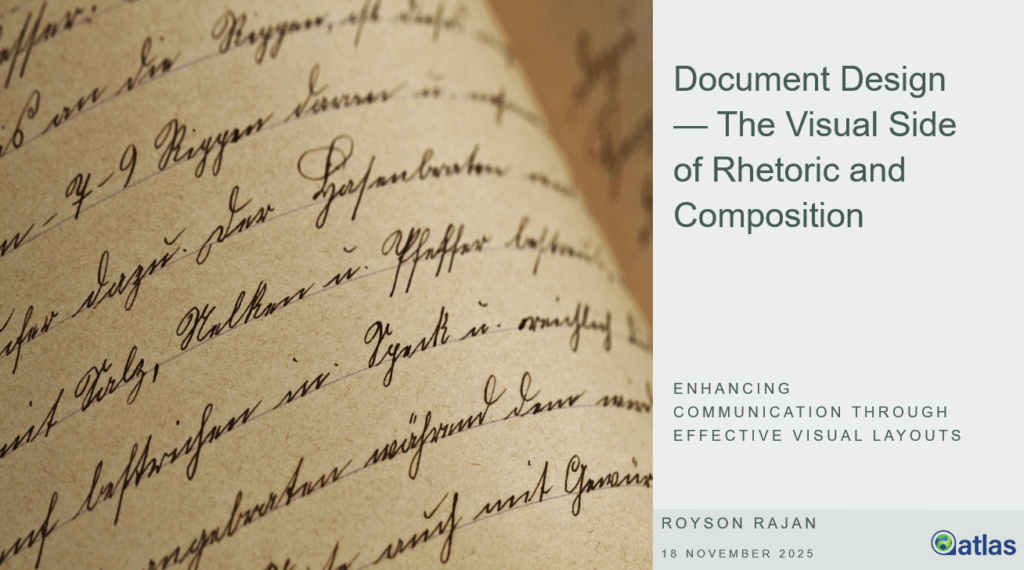
While Computer Science is deeply rooted in logic, programming, and technology, the ability to communicate effectively—both visually and verbally—is an essential skill for every aspiring engineer.
From writing project reports to creating user guides, proposals, UI/UX flows, presentations, and even documentation for code, design influences how information is perceived and understood.
My session aimed to introduce students to the fundamentals of visual rhetoric and demonstrate how thoughtful design enhances clarity, persuasion, and user experience.
Key Concepts Discussed During the Session
I structured the talk around practical principles and real-world applications that students can apply across academic and technical communication.
1. Visuals Communicate as Powerfully as Words
Visuals are not decoration—they are meaning.
Whether it’s an icon, diagram, flowchart, or infographic, visuals help readers:
-
Grasp concepts faster
-
Retain information better
-
Interpret complex ideas with ease
Good document design uses visuals intentionally to enhance comprehension, not distract from it.
2. Layout & Structure Shape Persuasion
The arrangement of information directly affects:
-
Credibility
-
Clarity
-
Impact
A well-structured document guides the reader effortlessly through the message.
We discussed how spacing, hierarchy, alignment, grouping, and sequencing influence the reader’s journey—and how a poor layout can confuse even the best-written content.
3. Visual Rhetoric: How Visuals Persuade
Visual rhetoric is the art of using design elements to influence interpretation.
Students explored how:
-
Icons
-
Colour accents
-
Captions
-
Diagrams
-
White space
-
Images
-
Typography
…help frame a message and shape perception.
Every visual element “speaks” and contributes to meaning.
4. A Document Isn’t Only Written — It’s Seen
Engineering students often focus on content, not presentation.
However, I emphasised that:
A document succeeds not only when it is well-written, but when it is well-designed.
Design is the reader’s first touchpoint.
Before a single word is read, the visual impression already influences:
-
Engagement
-
Trust
-
Interest
-
Understanding
A document’s appearance is part of its argument.
Introducing CRAP Principles of Design
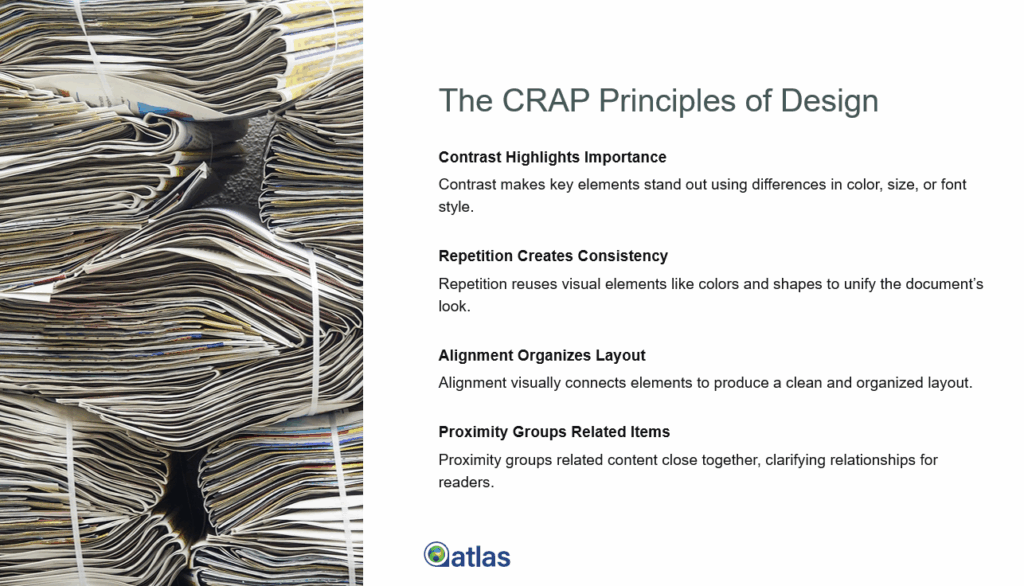
To provide students with a practical framework, I explained the globally recognised CRAP Principles—a simple yet powerful method used by designers worldwide.
✔ C – Contrast
To highlight key elements and separate ideas visually.
✔ R – Repetition
To create rhythm, consistency, and a strong visual identity.
✔ A – Alignment
To ensure clarity, professionalism, and logical flow.
✔ P – Proximity
To group related elements and guide the reader through information.
These principles form the foundation for clear, persuasive, and user-friendly document design—skills crucial for academic and professional success.
An Engaging Student Interaction
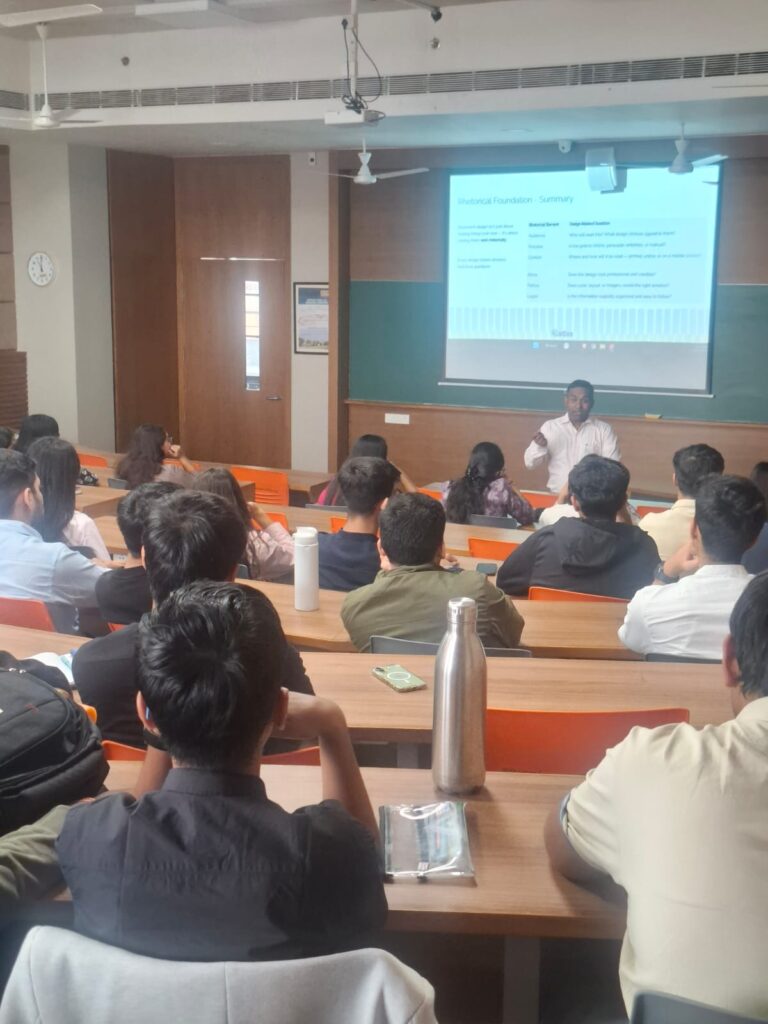
The students were highly receptive and engaged, asking thoughtful questions and connecting design principles with their own coursework—such as project documentation, presentations, and UI/UX concepts.
Many expressed how they had never viewed documents as “visual experiences” before and how the session changed their perspective on communication.
A Note of Gratitude
My sincere thanks to Prof. Noopur Thakkar & Prof. Richa Sharma, and the university for inviting me to share these insights with the first-year cohort.
It is always a pleasure to interact with young minds and contribute to their growth.
I look forward to more such opportunities to mentor and inspire the next generation of computer science professionals.


